The Evolution of Reverse Mortgages: How the Program Became What It Is Today
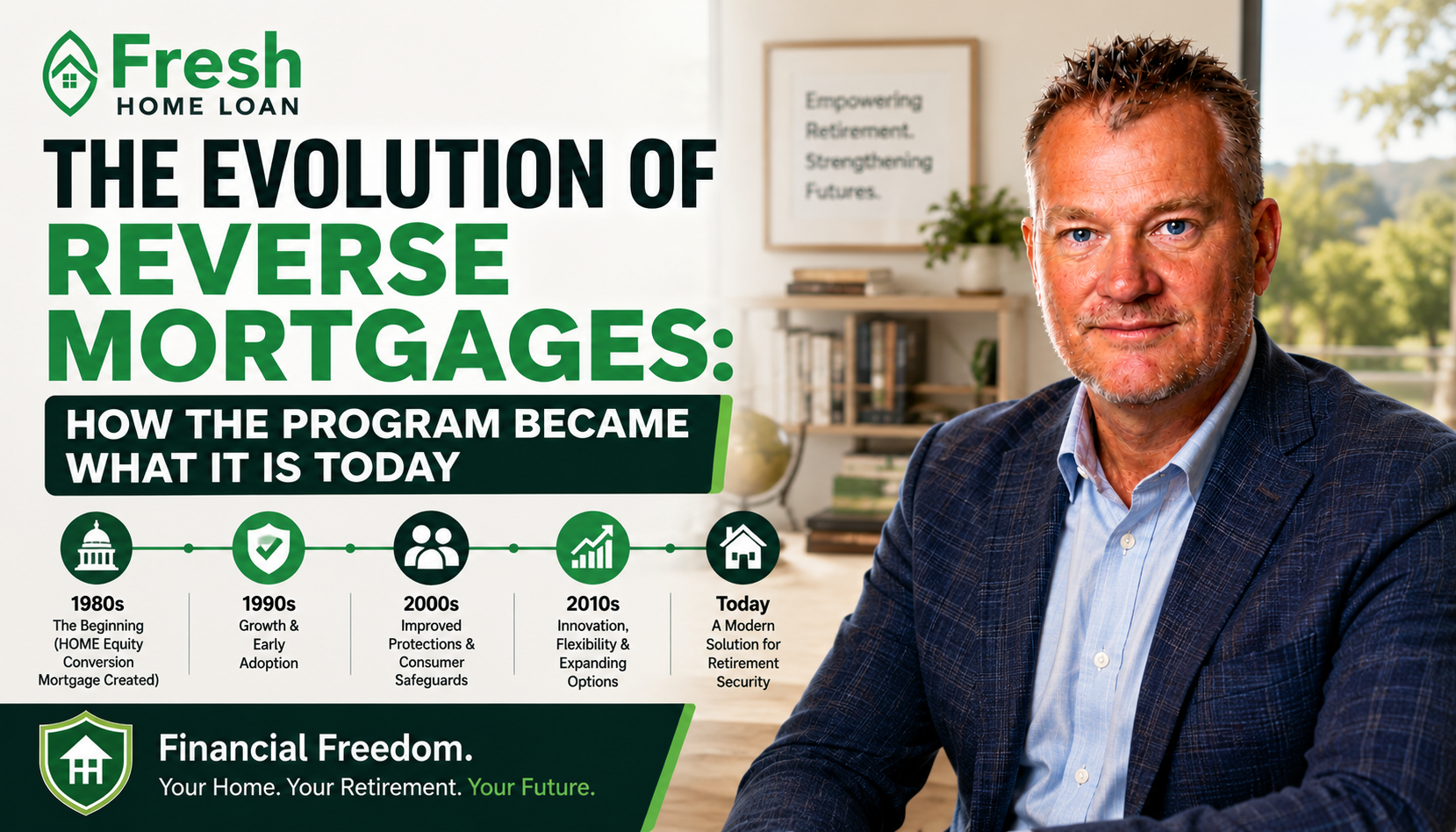
Reverse mortgages may seem like a relatively new financial tool, but the concept has been developing for decades. While traditional mortgages have existed in some form for centuries, the modern reverse mortgage program as we know it today began taking shape in the late 1980s.
Over the years, reverse mortgages have evolved through regulatory changes, economic cycles, and consumer demand. Today, they provide eligible homeowners age 62 and older with a way to access a portion of their home equity while continuing to live in their homes.
Let's take a look at how reverse mortgages developed and how the program has changed over time.
The Birth of the HECM Program
The biggest milestone in reverse mortgage history came in 1987 when Congress authorized the Federal Housing Administration (FHA) to insure reverse mortgages through amendments to the Housing and Community Development Act.
In 1989, the first FHA-insured Home Equity Conversion Mortgage (HECM) was issued, marking the official launch of the federally backed reverse mortgage program.
Initially introduced as a pilot program, the HECM quickly gained attention among lenders and homeowners. The program was designed to help older homeowners convert a portion of their home equity into accessible funds while remaining in their homes.
Due to growing demand and positive results, the HECM program was eventually made permanent in 1998 and remains the most widely used reverse mortgage program today.
Expanding Opportunities for Homeowners
As the program matured, new options were introduced to meet the changing needs of retirees.
One of the most significant developments was the introduction of HECM for Purchase. This option allowed eligible homeowners to buy a new primary residence using a reverse mortgage, often reducing or eliminating the need for monthly mortgage payments.
The program became especially popular among retirees looking to:
- Downsize into a smaller home
- Relocate closer to family
- Move into a retirement-friendly community
- Purchase a home better suited for aging in place
This expansion transformed reverse mortgages from a retirement income tool into a broader retirement planning strategy.
Strengthening Consumer Protections
As reverse mortgage volume increased, regulators introduced additional safeguards to protect borrowers.
Over the years, the program added:
- Mandatory independent counseling
- Financial assessments for borrowers
- Property charge requirements
- Enhanced disclosure standards
- Additional servicing and compliance guidelines
These changes were designed to help homeowners better understand the program and ensure they could continue meeting obligations such as property taxes, homeowners' insurance, and home maintenance.
Today's reverse mortgage program includes significantly more consumer protections than it did in its early years.
The Rise of Proprietary Reverse Mortgages
While FHA-insured HECM loans remain the most common reverse mortgage option, private lenders began developing proprietary reverse mortgage programs to serve homeowners with higher-value properties.
These "jumbo" reverse mortgages often provide:
- Higher loan limits
- Greater access to home equity
- More flexibility for certain property types
- Financing solutions for homes that may exceed FHA lending limits
Private reverse mortgage programs have continued to evolve, giving homeowners additional choices depending on their goals and property value.
Reverse Mortgages in Today's Market
Today's reverse mortgage market looks very different from its early beginnings.
Modern reverse mortgages are used for a variety of retirement planning strategies, including:
- Supplementing retirement income
- Creating a financial safety net
- Paying off an existing mortgage
- Funding home improvements
- Managing healthcare expenses
- Purchasing a new home
As home values have increased over time, many homeowners have accumulated significant equity, making reverse mortgages an important option for those seeking greater financial flexibility in retirement.
Looking Ahead
The reverse mortgage industry has come a long way since the first FHA-insured HECM loan was issued in 1989.
What began as a pilot program has grown into a well-established financial solution backed by extensive regulations, consumer protections, and decades of experience.
As retirement needs continue to evolve, reverse mortgages will likely remain an important tool for homeowners looking to leverage the equity they've worked so hard to build.
Understanding the history of reverse mortgages helps illustrate how the program has adapted over time—and why it continues to be a valuable option for many retirees today.
Schedule a Consultation
Contact Fresh Home Loan today to discuss your options with an experienced mortgage professional.
https://freshhomeloan.com/schedule-a-meeting/
Garrick Werdmuller
President & CEO
Fresh Home Loan Inc.
510.282.5456 Call/Text
Follow us on social media:
https://www.facebook.com/freshhomeloan/
https://www.instagram.com/garrickwerdmuller/
https://www.linkedin.com/in/garrick-werdmuller-b044253/
https://www.youtube.com/@FreshHomeLoan
https://www.tiktok.com/@freshhomeloan
#ReverseMortgage #HECM #RetirementPlanning #HomeEquity #SeniorHomeowners #RetirementIncome #MortgageBroker #FinancialPlanning #Homeownership #FreshHomeLoan #RealEstate #FinancialFreedom
All loan approvals are conditional and not guaranteed and subject to lender review of all information. Loan is conditionally approved when the lender has issued approval in writing, but until all conditions are met, loan cannot be funded. Specified rates and products may not be available to all borrowers. Rates subject to change according to market conditions and agreed upon lock times set by the borrower. Fresh Home Loan Inc. is an Equal Opportunity Mortgage Broker in California. This licensee is performing acts for which a real estate license is required. Fresh Home Loan, Inc. is licensed by the California Department of Real Estate #02137513 NMLS # 2124104